


Todos los productos
-
 Bruno NacimientoGracias por su continua ayuda y apoyo para proporcionarnos productos de alta calidad y asequibles.
 -
 Ehsan Salmari fue el primero.La respuesta rápida y la actitud profesional hacen que nuestra cooperación sea más fluida.
AMC8 200-550-005-112 Módulo de monitoreo de maquinaria de 8 canales con RTD e entradas de termopares para monitoreo industrial en tiempo real


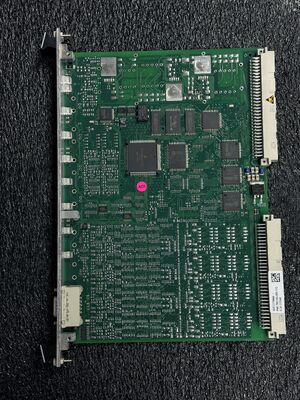
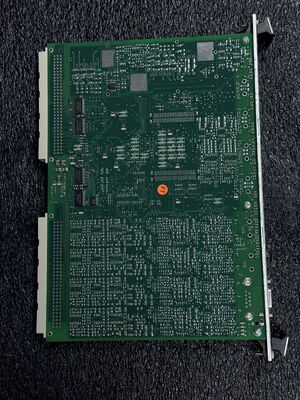
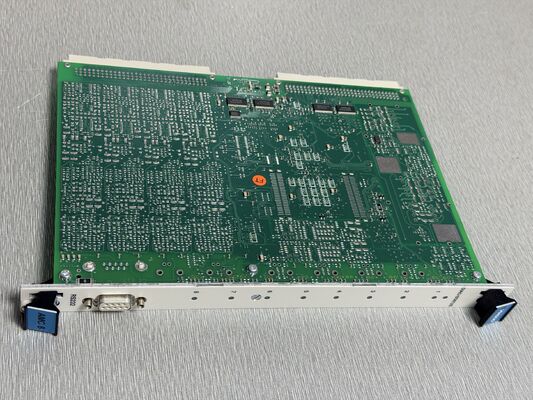
| Lugar de origen | Reino Unido |
|---|---|
| Nombre de la marca | PLC |
| Certificación | COO ,COC ,CQ |
| Número de modelo | AMC8 200-550-005-112 |
| Cantidad de orden mínima | 1 |
| Precio | $10606 |
| Tiempo de entrega | 5-7 días |
| Condiciones de pago | T/T |
| Capacidad de la fuente | 999 |
Datos del producto
| Identificación del producto | Módulo de monitoreo de maquinaria AMC8 200-550-005-112 | Tipo | Conjunto de cable |
|---|---|---|---|
| Serie | AMC8 | Número de modelo | AMC8 200-550-005-112 |
| Garantía | 1 año | Función | Bien |
| Condición | Nuevo | ||
| Resaltar | Módulo de monitorización de máquinas de 8 canales con DTI,módulo de monitoreo industrial con entradas de termopares,Módulo PLC para el seguimiento en tiempo real de las máquinas |
||
Descripción de producto
Módulo analógico de monitorización de 8 canales de alto rendimiento para protección continua de máquinas y monitorización de procesos industriales
Resumen del producto
ElAMC8 200-550-005-112 Módulo de vigilancia de las máquinases una tarjeta de control analógica de grado industrial desarrollada para sistemas de protección y control de estado de las máquinas basados en racks.Diseñados para soportar el funcionamiento continuo en ambientes industriales exigentes, procesa hasta ocho canales de monitorización configurables de forma independiente, lo que permite a los usuarios recopilar, evaluar y transmitir señales críticas de proceso y temperatura en tiempo real.
Este módulo admite múltiples tipos de entrada, incluidos los detectores de temperatura de resistencia (RTD), termopares, señales de corriente y voltaje,que lo hace adecuado para una amplia variedad de equipos giratorios y aplicaciones de procesosLa gestión de alarmas integrada, el procesamiento de señales configurables, el control de relés y las salidas analógicas ayudan a los equipos de mantenimiento a detectar condiciones de funcionamiento anormales antes de que se conviertan en fallas costosas.Su arquitectura modular simplifica la instalación, mantenimiento y futura expansión del sistema, lo que lo convierte en una excelente opción para el mantenimiento predictivo, la automatización industrial y los programas de protección de maquinaria en generación de energía, petróleo y gas,petroquímicoEl módulo se utiliza comúnmente en sistemas de monitorización basados en racks que requieren una alta fiabilidad y estabilidad operativa a largo plazo.
Características clave
- Soporta hasta 8 canales de monitorización configurables de forma independiente
- Compatible con la adquisición de señales de temperatura y de proceso
- Acepta entradas de RTD, termopar, corriente y voltaje
- Procesamiento de alarmas y control de relevos configurables por software
- Seguimiento continuo en tiempo real de los equipos industriales críticos
- Instalación de bastidores modulares para un mantenimiento simplificado
- Soporta salida analógica para la integración con sistemas de control
- Diseñados para una alta fiabilidad en el funcionamiento industrial continuo
Especificaciones técnicas
| Tipo de producto | Módulo de vigilancia de las máquinas |
|---|---|
| Temperatura | -25 a 65°C |
| Canales de seguimiento | 8 Canales analógicos |
| Tipos de entrada | RTD, termoparejo, corriente (025 mA), tensión (010 V) |
| Aplicación | Energía / Energía eléctrica, metalurgia (acero, metales no ferrosos) |
| Certificación | Oficina de operaciones, oficina de operaciones, oficina de gestión |
Imágenes del producto

Aplicaciones globales
Arabia Saudita, Emiratos Árabes Unidos, Alemania, Brasil, India y más de cien otros países
Aplicaciones típicas
Las instalaciones industriales modernas dependen de un seguimiento continuo de los equipos para mejorar la disponibilidad y reducir los tiempos de inactividad inesperados.Este módulo de monitorización se utiliza comúnmente en los sistemas responsables de la protección de las máquinas, monitoreo de temperatura y adquisición de señales de proceso.
Las aplicaciones típicas incluyen:
- Instalaciones de generación de energía
- Instalaciones de petróleo y gas
- Procesamiento petroquímico
- Fabricación de productos químicos
- Operaciones mineras
- Producción de acero
- Fabricaciones de celulosa y papel
- Instalaciones de tratamiento de aguas
- Sistemas de propulsión marítima
- Automatización industrial general
Nuestras ventajas
- Más de 10 años de experiencia en el suministro de módulos de automatización
- Productos exportados a más de 50 países
- Canales de suministro estables para garantizar una fuente fiable de bienes
- La tasa de recompra del cliente supera el 80%
Preguntas frecuentes
P: ¿En qué plazo se puede entregar la mercancía después de realizar el pedido?
R: La fecha de entrega es generalmente de 5-7 días.
P: ¿Cómo se organiza el envío?
R: Usando paquete estándar, envío por Fedex, DHL, UPS, y también apoyamos a los clientes a organizar su propio transportista para la recogida.
P: ¿Se puede ofrecer un servicio de garantía extendida?
R: La garantía extendida está bien. Póngase en contacto con las ventas para los costos específicos.
P: ¿Cuál es la política de devolución/intercambio?
R: Las devoluciones y los intercambios están permitidos por problemas de calidad dentro del período de garantía.
P: ¿Hay productos en stock? ¿Cuál es el tiempo de entrega para pedidos a granel?
R: Tenemos un gran inventario.
Requisitos de instalación
La instalación profesional es esencial para garantizar un rendimiento óptimo, seguridad operativa y cumplimiento de las normas de la industria.La correcta aplicación es fundamental para una integración fiable del sistema y una eficiencia operativa a largo plazo.
- Instalación profesional requerida para un rendimiento y una seguridad óptimos
- Asegurar un montaje adecuado y una ventilación adecuada
- Cumplir con todas las normas de seguridad eléctrica aplicables
Productos recomendados